What to Know Before Collecting Antique Roses
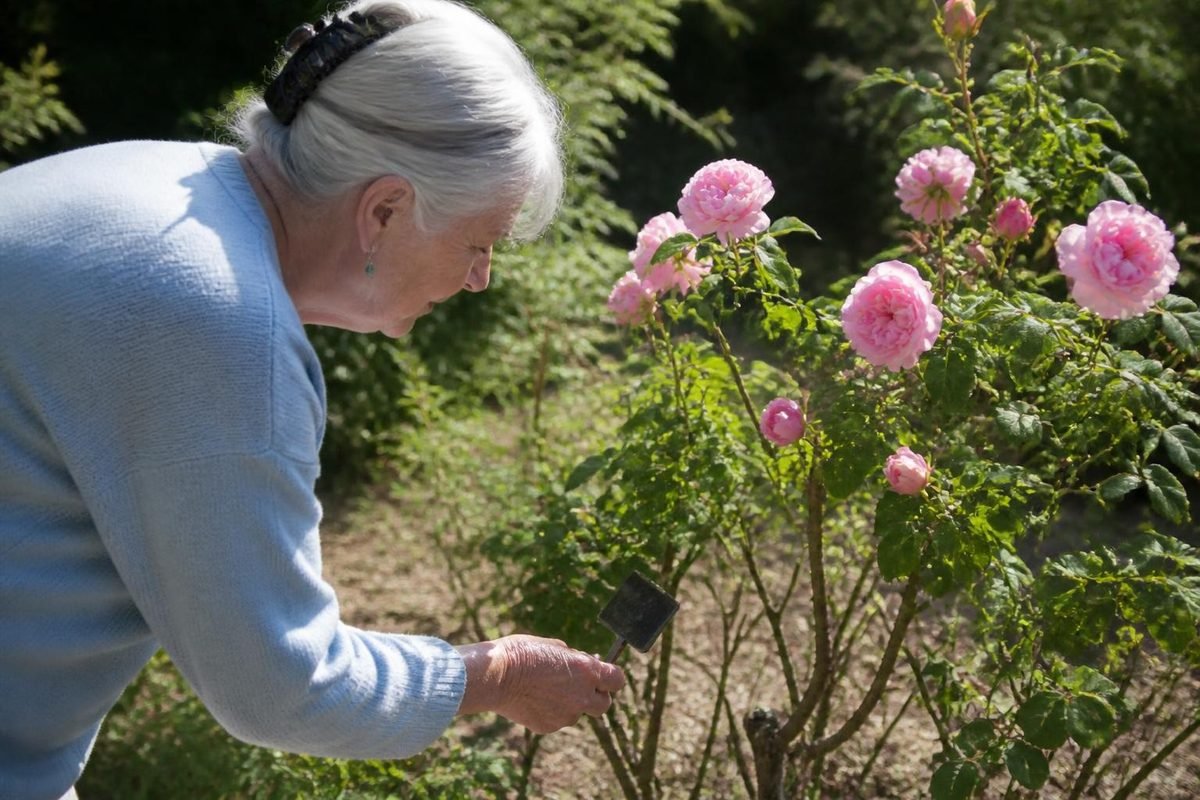
Before collecting antique roses, learn how each variety grows, flowers, and handles your local conditions. These roses can be rewarding garden plants, but they differ widely in size, scent, disease resistance, and care.
Know what makes a rose antique
Antique roses are often called old garden roses. The term generally refers to rose classes that existed before the introduction of the hybrid tea rose in 1867. It does not mean every plant you buy is old. A young rose propagated from an old variety can still belong to an antique class.
Within that broad group, you will find roses with very different habits. Some form substantial shrubs, while others can be trained against a support. Flower shapes range from simple blooms with visible centers to densely petaled flowers. Fragrance varies too, so check descriptions rather than assuming every antique rose is strongly scented.
Names matter when you start a collection. A variety may have more than one name, and older roses are sometimes sold under an incorrect one. Keep the name and source of each plant, along with any details supplied about its history. That record gives you a useful starting point if you need to check its identity later.
Choose for your garden, not just the flower
Look beyond a photograph of the bloom. Find out the mature height and width, how much sun the rose needs, and whether it is suited to your climate. Leave enough room to walk around it and to reach the stems for pruning. Good air movement around the plant can also help reduce the conditions that favor some fungal diseases.
Flowering habits are especially important. Many old roses bloom once, usually in a generous flush, while others repeat during the growing season. If you want flowers over a long period, check the habit of each variety before you buy.
Ask local rose growers or a nearby garden group which varieties do well in your area. A rose that thrives in one climate may struggle with cold, heat, humidity, or disease in another. You can also check local guidance before planting a vigorous rose near natural areas.
Plan for care and collecting
Check whether a rose is growing on its own roots or is grafted onto another rootstock. Both can make good garden plants, but they are managed differently. On a grafted rose, shoots arising from the rootstock may need removing so they do not overtake the named variety. Ask the grower how to recognize them.
Pruning depends on the rose and its flowering habit. Roses that bloom once often flower on older growth, so heavy pruning at the wrong time can remove the next display. Learn what your particular variety needs, and remove dead or damaged wood as needed.
Start with a few roses you have room to observe. As you see how they grow and flower through the seasons, you can build a collection that fits your garden as well as your taste.
On the same subject: getting the delivery date right